About car-wreck-attorneys

This author has not yet filled in any details.
So far car-wreck-attorneys has created 43 blog entries.

Austin Car Accident Lawyers – What to Do After a Crash in Austin

By |2026-06-26T08:29:39+00:00February 23rd, 2026|auto accident law, car accident, car accident lawyers, personal injury law|

Carabin Shaw is one of the leading personal injury law firms in Austin and Texas. They have extensive experience in car accident cases, focusing on securing compensation for clients that reflects the full extent of their medical bills, property damage, and pain and suffering.
Specialization: Personal injury, truck accidents, car accidents, wrongful death, 18-wheeler accidents.
Why choose them? Carabin Shaw Law Firm offers a complimentary initial consultation, and their team is recognized for aggressively advocating for their clients’ rights.

Austin Car Accident Lawyers – What to Do After a Crash

A car accident in Austin can turn an ordinary day into a nightmare in seconds. Between the pain of your injuries, the stress of dealing with a damaged vehicle, and the uncertainty about how you are going to pay your medical bills, the aftermath of a crash can feel overwhelming. The steps you take immediately after a wreck have a direct impact on your ability to recover fair compensation. Austin car accident lawyers at Carabin Shaw have helped thousands of crash victims across Central Texas protect their rights and fight for the money they need to rebuild their lives.

Austin’s rapid growth has brought an explosion of traffic that the city’s infrastructure was never designed to handle. I-35 through downtown, MoPac Expressway, Highway 183, and Loop 360 are packed with vehicles at nearly all hours of the day, and the resulting congestion leads to accidents that range from fender benders to fatal collisions. Experienced car accident attorneys in Austin at Carabin Shaw understand the unique driving conditions that make Austin roads so dangerous and bring the legal firepower needed to take on insurance companies that try to shortchange injured victims.

If you or a loved one has been hurt in an Austin car wreck, taking action quickly is essential. Car accident lawyers at Carabin Shaw offer a free initial consultation to evaluate your case and explain your legal options so you can make informed decisions from the start.

Check for Injuries and Call 911 Immediately

Your first priority after any car accident is the safety and health of everyone involved. Check yourself and your passengers for injuries and call 911 right away. Even if injuries seem minor at the scene, requesting an ambulance ensures that trained medical professionals can evaluate everyone involved. Many serious car accident injuries — including whiplash, concussions, and internal bleeding — do not show symptoms immediately. Having paramedics on scene creates an official medical record connecting your condition to the crash.

Calling 911 also brings law enforcement to the scene. A police report is one of the most important pieces of evidence in any car accident claim. The responding officer will document the crash, interview drivers and witnesses, note any traffic violations, and record observations about the cause of the wreck. Request a copy of the report or obtain the report number before you leave the scene.

Document Everything at the Accident Scene

If your physical condition allows it, use your phone to take photographs and video of the accident scene from every angle. Capture the damage to all vehicles involved, skid marks, debris, road conditions, traffic signals, and any visible injuries. These images become critical pieces of evidence as your case develops. Exchange information with the other driver — name, phone number, insurance company and policy number, license plate, and driver’s license number. If witnesses stopped, get their contact information as well.

Write down your own account of what happened while the details are fresh in your mind. Memory fades quickly, and having a contemporaneous written account can help your lawyers and strengthen your testimony if the case goes to trial. Note the time, weather conditions, visibility, and anything unusual you observed about the other driver’s behavior.

See a Doctor Within 24 to 48 Hours

Even if you feel fine after the crash, see a doctor promptly. Many car accident injuries have delayed symptoms that do not appear for hours or even days. Herniated discs, soft tissue damage, and mild traumatic brain injuries are notorious for delayed onset. A prompt medical evaluation creates the documentation needed to connect your injuries to the accident, which is essential for your legal claim. Follow your doctor’s treatment plan completely — gaps in treatment give insurance companies ammunition to argue your injuries are not serious.

Do Not Talk to the Other Driver’s Insurance Company

After an Austin car accident, the at-fault driver’s insurer will contact you quickly. The adjuster will sound concerned and friendly, but their job is to minimize what their company pays. They may request a recorded statement, ask leading questions to get you to downplay your injuries, or push a fast settlement offer before you understand the full extent of your damages. Politely decline to give a statement and direct them to your lawyers. Anything you say can and will be used against you later.

Stay Off Social Media

Insurance companies routinely monitor claimants’ social media accounts. A photo of you smiling at a birthday party or mentioning that you went for a walk can be twisted into evidence that your injuries are not as serious as claimed. The safest approach is to avoid posting anything related to your accident, your health, or your daily activities while your case is pending. Ask friends and family not to tag you in posts as well.

Contact Austin Car Accident Lawyers Right Away

The sooner you get experienced legal representation, the better positioned you are to protect your rights and maximize your recovery. Early legal involvement means evidence is preserved, witnesses are interviewed while memories are fresh, and the insurance company knows you have professional representation from day one. Carabin Shaw’s Austin car accident lawyers work on a contingency fee basis — you pay nothing unless they win your case. Contact them today for a free consultation and let their team start fighting for you.
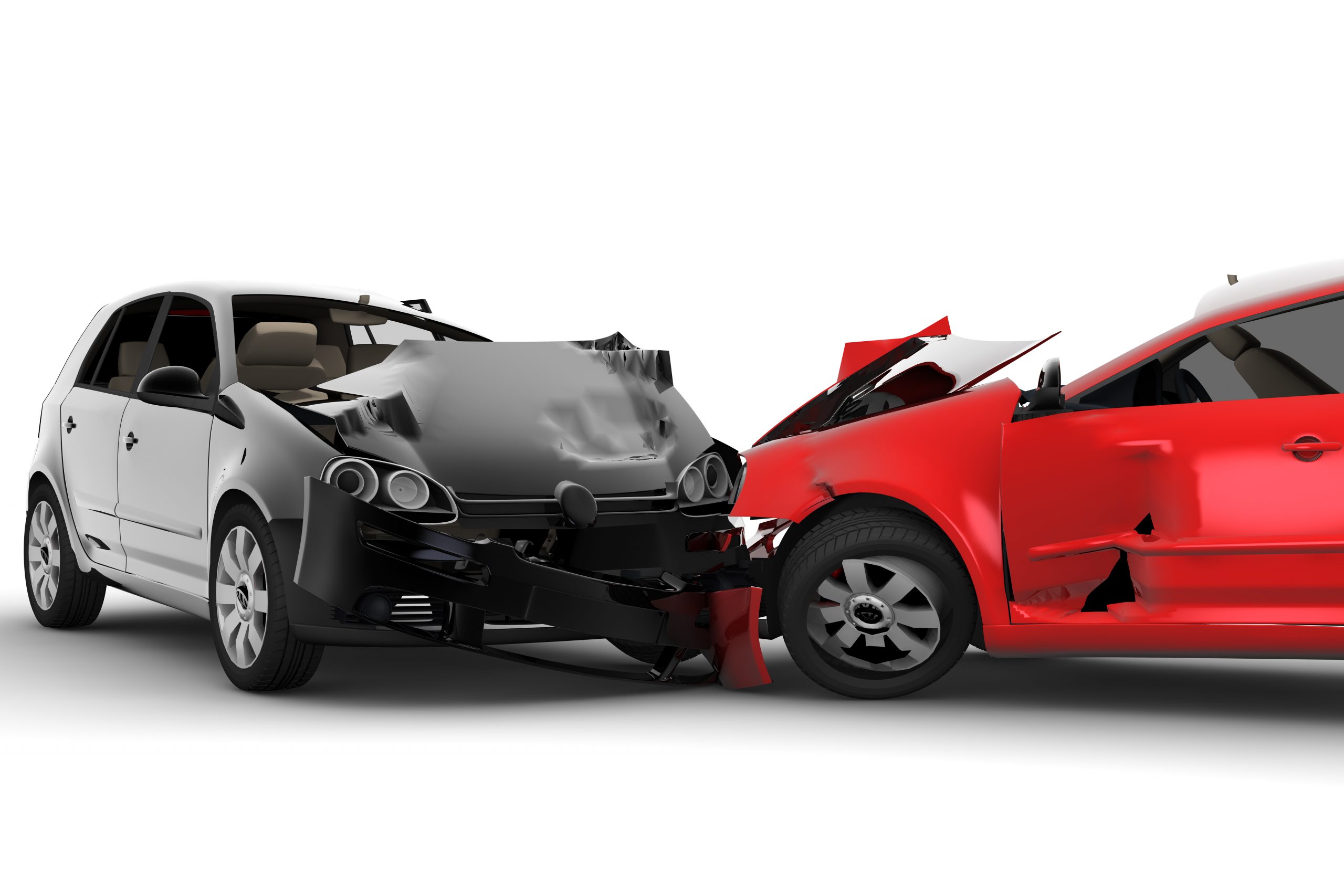

T-Bone Car Accidents in Austin, Texas — Who Is at Fault

By |2026-06-26T08:31:16+00:00February 11th, 2026|auto accident law, car accident, car accident lawyers, personal injury law|

T-Bone Car Accidents in Austin Texas — Who Is at Fault and What You Can Recover

Austin’s explosive growth has turned once-quiet intersections into high-traffic danger zones where T-bone collisions happen with alarming regularity. A T-bone crash — also called a broadside or side-impact collision — occurs when the front of one vehicle slams into the side of another, usually at an intersection where one driver has failed to yield, run a red light, or misjudged a gap in oncoming traffic. The door panels and side windows of a car offer far less protection than the front or rear crumple zones, which is why T-bone wrecks produce some of the most devastating injuries of any car crash. Shaw Cowart’s personal injury team in Austin represents victims of broadside collisions across Travis County and the surrounding communities, and the firm has seen how quickly a routine trip through an intersection can turn into a life-changing disaster.

T-bone car crashes are especially common on Austin’s busiest corridors, where high speed limits, heavy traffic, and poorly timed signals create the perfect conditions for broadside impacts. Intersections along Lamar Boulevard, South Congress, Research Boulevard, and FM 620 see these wrecks on a regular basis. Drivers who are distracted by phones, rushing to beat a yellow light, or unfamiliar with Austin’s rapidly changing road configurations cause the vast majority of these collisions. According to the Texas Department of Transportation, intersection crashes account for a significant percentage of all traffic fatalities and serious injuries statewide every year, and Travis County is consistently among the hardest-hit areas. Experienced lawyers at Shaw Cowart understand how to investigate these wrecks, establish fault through traffic camera footage, witness statements, and accident reconstruction, and fight for full compensation on behalf of injured Austin residents.

Determining fault in a T-bone wreck is not always as simple as it looks. The driver who entered the intersection against a red light or stop sign is usually presumed to be at fault, but insurance companies routinely dispute the signal timing, argue that the other driver was speeding through the intersection, or claim that both parties share blame. Texas follows a modified comparative fault rule that can reduce or eliminate your compensation if the other side convinces a jury you were partially responsible. That is why having skilled lawyers who handle car wreck cases in Austin on your side from the beginning is critical to protecting your rights and your recovery.

Why T-Bone Collisions Cause Such Severe Injuries

The human body is far more vulnerable to side impacts than to frontal or rear collisions. In a head-on crash, the engine compartment, airbags, and seatbelt system absorb and distribute the force of impact across several feet of crumple zone. In a T-bone wreck, the only thing between the occupant and the striking vehicle is a thin door panel, a side window, and perhaps a side-curtain airbag if the car is equipped with one. The distance from the point of impact to the occupant’s body can be measured in inches.

This lack of structural protection means that T-bone crash victims frequently suffer traumatic brain injuries from their head striking the window or door frame, broken ribs and pelvic fractures from the intrusion of the door panel, spinal injuries from the sudden lateral force, and internal organ damage from compression against the seatbelt or armrest. Occupants seated on the struck side of the vehicle face the highest risk, and passengers in the rear seat are not immune — the force of a high-speed broadside impact can deform the entire passenger compartment.

Common Causes of T-Bone Wrecks in Austin

Running red lights and stop signs is the most obvious cause, but it is far from the only one. Left-turn accidents are a leading source of T-bone collisions in Austin, particularly at intersections with unprotected left-turn signals where drivers must judge gaps in oncoming traffic. A driver who misjudges the speed of an approaching vehicle or assumes the oncoming car will slow down can pull directly into its path, creating a devastating broadside impact.

Distracted driving plays a massive role. A driver checking a text message or adjusting a GPS may not see a red light until it is too late. Impaired drivers under the influence of alcohol or drugs have slower reaction times and impaired judgment at intersections. Speeding through yellow lights — a habit that is practically a sport on some Austin roads — turns a marginal timing decision into a catastrophic collision.

Poor intersection design contributes to these wrecks as well. Obstructed sight lines from overgrown vegetation, parked vehicles, or construction barriers can prevent drivers from seeing cross traffic until a collision is unavoidable. Several Austin intersections have been flagged by transportation safety advocates for design deficiencies that increase the risk of broadside crashes.

Proving Fault and Fighting the Insurance Company

Insurance companies defending T-bone claims often try to create doubt about which driver had the right of way. They may argue that the traffic signal was yellow rather than red, that the victim was exceeding the speed limit, or that the victim failed to take evasive action. To counter these tactics, your legal team needs to move quickly to preserve evidence.

Traffic camera footage from nearby intersections, red-light cameras, and business surveillance systems can provide definitive proof of which driver violated the signal. Witness statements taken shortly after the wreck carry significant weight. Accident reconstruction experts can analyze skid marks, vehicle damage patterns, and electronic data from the vehicles’ event data recorders to determine the speed and direction of both cars at the moment of impact.

Compensation You May Be Entitled To

Victims of T-bone car crashes in Austin may be entitled to compensation for medical expenses, lost wages, pain and suffering, loss of enjoyment of life, and in severe cases, permanent disability. If the at-fault driver was intoxicated or acting with extreme recklessness, punitive damages may also be available under Texas law. The value of your claim depends on the severity of your injuries, the strength of the liability evidence, and the insurance coverage available. An experienced legal team will fight to make sure you receive every dollar your case is worth, not just whatever the insurance adjuster offers in the first phone call.

Texas gives you two years from the date of the wreck to file a personal injury lawsuit. Do not wait to speak with a lawyer — the evidence that proves your case is most available in the days and weeks immediately following the crash.

Here are more locations we serve around Austin, Texas
Cedar Park
George Town
Hutto
Kyle
Leander
Pflugerville
Round Rock
San Marcos

Texas Highway Car Accidents: Dangers and Legal Options

By |2026-06-26T08:33:07+00:00February 9th, 2026|auto accident law, car accident, car accident lawyers, personal injury law|

This Blog was published by Carabin Shaw Personal Injury Lawyers – San Antonio Car Accident Attorneys

Texas Highway Car Accidents: Dangers and Legal Options

Texas is home to some of the busiest and most dangerous highways in the United States. From the sprawling interchanges of Interstate 35 cutting through Austin and San Antonio to the congested corridors of Interstate 10 through Houston, millions of drivers share these roads every day. The sheer volume of traffic, combined with high speed limits and aggressive driving behavior, makes Texas highways the setting for some of the most devastating car accidents in the country. If you have been injured in a highway crash, the car accident lawyers in Houston at Carabin Shaw have the experience and resources to handle even the most complex high-speed collision cases. These car accident attorneys understand that highway accidents often produce catastrophic injuries that require long-term medical care and carry enormous financial costs, and they fight to make sure victims receive every dollar they are entitled to.

Highway car accidents differ from crashes on city streets in several important ways. Higher speeds mean greater force of impact, more severe injuries, and a higher likelihood of fatalities. Multi-vehicle pileups are more common on highways, complicating questions of fault and liability. The car accident attorneys in Austin at Carabin Shaw have handled highway accident cases involving multiple vehicles, commercial trucks, and even highway construction zone crashes. Experienced car accident lawyers know that these cases require a more intensive investigation and a deeper understanding of traffic engineering, vehicle dynamics, and accident reconstruction.

The aftermath of a highway car accident can be overwhelming. Victims face painful recoveries, overwhelming medical bills, and the stress of dealing with insurance companies that are looking for ways to minimize their payout. Car accident attorneys at Carabin Shaw are ready to take that burden off your shoulders and fight for the compensation you need to move forward with your life.

Why Highway Accidents Are More Dangerous

The physics of a car accident are straightforward — the faster a vehicle is traveling, the more kinetic energy is involved in the crash, and the more severe the injuries tend to be. Texas highways with posted speed limits of 75 or even 80 miles per hour mean that crashes regularly occur at velocities that produce devastating results. At those speeds, a vehicle covers more than 100 feet per second, leaving almost no time to react when something goes wrong.

Highway crashes also tend to involve secondary collisions. A vehicle that is struck and spins out of control may be hit again by other traffic before coming to rest. Multi-car pileups on highways can involve dozens of vehicles and cause injuries across a wide range of severity. The chaos of these scenes makes evidence gathering particularly important and complex.

Common Causes of Highway Car Accidents

Several factors contribute disproportionately to highway accidents in Texas. Speeding and driving too fast for conditions top the list. Even though speed limits on Texas highways are among the highest in the nation, many drivers exceed them, and nearly all drivers fail to reduce speed adequately in rain, fog, or heavy traffic.

Lane change accidents are extremely common on multi-lane highways. Drivers who fail to check blind spots, signal their intentions, or wait for adequate space before merging cause sideswipe crashes that can send vehicles careening across multiple lanes of traffic. Tailgating at highway speeds is particularly dangerous because it eliminates the reaction time needed to respond to sudden stops or slowdowns.

Fatigue plays a major role in highway crashes, especially on long, monotonous stretches of Texas interstate. Drowsy drivers experience reduced reaction times, impaired judgment, and microsleep episodes that can cause them to drift out of their lane or fail to notice stopped traffic ahead.

Construction zones are another significant hazard on Texas highways. Narrowed lanes, shifting traffic patterns, uneven road surfaces, and reduced speed limits create a dangerous mix, especially when drivers fail to slow down or pay attention to warning signs.

Catastrophic Injuries From Highway Crashes

The severity of highway car accident injuries reflects the violent forces involved in these crashes. Common injuries include traumatic brain injuries ranging from concussions to severe diffuse axonal injuries, spinal cord injuries that may result in partial or complete paralysis, multiple bone fractures requiring surgical repair, internal organ damage and internal bleeding, severe burns from vehicle fires or contact with hot surfaces, crush injuries in vehicles that are compressed by impact, and amputation of limbs.

These injuries frequently require emergency surgery, extended hospital stays, intensive rehabilitation, and long-term or lifelong medical care. The financial impact can easily reach hundreds of thousands or millions of dollars when you account for future medical expenses, lost earning capacity, and the cost of adaptive equipment and home modifications.

Determining Fault in Multi-Vehicle Highway Accidents

Establishing fault in a multi-vehicle highway accident is one of the most challenging aspects of these cases. When several vehicles are involved, each driver’s insurance company will attempt to shift blame to other parties. Determining the sequence of collisions, identifying which driver’s negligence initiated the chain reaction, and allocating fault among multiple parties requires sophisticated investigation and expert analysis.

Accident reconstruction experts play a vital role in highway crash cases. These professionals analyze physical evidence including vehicle damage patterns, skid marks, gouge marks in the pavement, final rest positions of the vehicles, and data from electronic data recorders to reconstruct the accident sequence and determine speeds, angles of impact, and driver actions in the moments before the crash.

Sharing the Road With Commercial Trucks

Many highway car accidents in Texas involve commercial trucks, adding additional layers of complexity. Crashes between passenger vehicles and 18-wheelers or other large trucks almost always result in severe or fatal injuries to the occupants of the smaller vehicle. These cases may involve liability on the part of the truck driver, the trucking company, the cargo loader, or the vehicle manufacturer.

Federal Motor Carrier Safety Administration regulations impose strict requirements on commercial truck drivers and their employers regarding hours of service, vehicle maintenance, driver qualifications, and cargo securement. Violations of these regulations can serve as powerful evidence of negligence in a car accident lawsuit.

Take Action After a Highway Crash

If you have been injured in a highway car accident in Texas, you owe it to yourself and your family to explore your legal options. The car accident lawyers at Carabin Shaw have handled highway crash cases of every type and severity. They offer free consultations and work on a contingency fee basis, so there is absolutely no financial risk to reaching out. Do not let the insurance company dictate the value of your suffering. Contact Carabin Shaw today and get experienced legal representation fighting for you.

Carabin Shaw Expands Austin Truck & Car Accident Legal Services

By |2026-06-26T08:36:38+00:00November 20th, 2025|car accident, personal injury law, truck accidents|

FOR IMMEDIATE RELEASE

Carabin Shaw Expands Austin Presence to Serve Growing Demand for Truck and Car Accident Representation

SAN ANTONIO, TX – Carabin Shaw, a leading Texas personal injury law firm, announces expanded operations in Austin to meet increasing demand for experienced truck accident and car accident attorneys throughout Travis County. https://www.carabinshaw.com/amp/austin-personal-injury-lawyer-car-accident-attorney.html

The expansion strengthens Carabin Shaw’s commitment to representing injury victims across Central Texas for over 34 years, with attorneys now providing enhanced coverage for serious truck collisions and car crashes on Austin’s increasingly dangerous roadways. https://www.carabinshaw.com/reasons-to-hire-an-18-wheeler-accident-lawyer-in-austin.html

“Austin’s traffic fatality rates demand experienced legal advocacy for injury victims,” said the firm. “Our expanded presence ensures accident victims throughout Travis County receive the aggressive representation they deserve when dealing with insurance companies and complex injury claims.” https://www.carabinshaw.com/houston-18-wheeler-accidents.html

Carabin Shaw’s Austin expansion focuses specifically on:
• Commercial truck accident cases
• Car accident injury claims
• Wrongful death litigation
• 18-Wheeler accident claims

The firm’s track record of securing substantial settlements and verdicts for Texas accident victims spans over two decades, with millions recovered for clients throughout the state. https://www.carabinshaw.com/houston-car-accident-lawyers.html

Based on the success of the Austin expansion, Carabin Shaw is evaluating similar growth in Houston, Dallas, and Fort Worth to serve accident victims across Texas’s major metropolitan areas.

Texas accident victims can reach Carabin Shaw’s legal team at 1-800-862-1260 for free case consultations. The firm works on contingency, meaning clients pay nothing unless their case is won.

About Carabin Shaw
Carabin Shaw represents personal injury victims throughout Texas, specializing in truck accidents, car accidents, and wrongful death claims. The firm’s attorneys have secured hundreds of millions in compensation for clients across San Antonio, and South Central Texas.

Contact:
Carabin Shaw Law Firm
1-800-862-1260
https://www.carabinshaw.com

Common Types of Damages in Car Accident Compensation Claims San Antonio

By |2026-08-23T16:53:04+00:00November 17th, 2025|auto accident law, car accident, personal injury law|

Published by Carabin Shaw – San Antonio Personal Injury Lawyers – Car Accidents


Common Types of Damages in Car Accident Compensation Claims: Understanding What You’re Entitled to Recover

When you’ve been injured in a car accident in San Antonio, understanding the various types of damages you may be entitled to recover is crucial for ensuring you receive fair compensation for all your losses. Many accident victims are unaware of the full scope of damages available under Texas law, which can result in accepting settlements that fail to adequately compensate them for the true impact of their injuries. Car accident damages encompass much more than just medical bills and vehicle repairs, extending to complex calculations of future needs, lost opportunities, and intangible losses that can significantly affect your quality of life for years to come. More from our car accident attorneys San Antonio here

Economic Damages: Quantifiable Financial Losses

Economic damages, also known as special damages, represent the measurable financial losses you’ve suffered as a direct result of your car accident. These damages are typically easier to calculate because they involve specific dollar amounts and documented expenses, though projecting future economic losses can become quite complex in serious injury cases. Call our car accident lawyers San Antonio Today

Medical expenses form the cornerstone of most car accident claims and include all costs associated with treating your injuries from the moment of the accident through your complete recovery. Emergency room treatment, ambulance transportation, hospitalization, surgery, diagnostic tests like X-rays and MRIs, prescription medications, medical equipment such as wheelchairs or braces, and ongoing treatments like physical therapy all fall under current medical expenses.

Future medical expenses often represent a much larger financial burden, particularly in cases involving permanent injuries or conditions that require ongoing treatment. These projections require consultation with medical experts who can assess your prognosis and estimate the cost of future surgeries, rehabilitation, medications, assistive devices, and long-term care needs. In cases involving catastrophic injuries, future medical expenses can easily reach hundreds of thousands or even millions of dollars over a victim’s lifetime.

Lost wages encompass income you’ve already lost due to time away from work for medical treatment, recovery, and court proceedings related to your accident. This includes not only your regular salary but also overtime, bonuses, commissions, and benefits you would have received if not for the accident. Documentation from your employer showing your typical earnings and time missed is essential for calculating these damages accurately.

Lost earning capacity addresses the more complex issue of how your injuries may affect your ability to earn income in the future. If your injuries prevent you from returning to your previous job, limit your working hours, or require you to accept lower-paying employment, you may be entitled to compensation for this reduced earning potential. Economic experts often analyze factors such as your age, education, skills, career trajectory, and the specific limitations imposed by your injuries to calculate these damages over your remaining working years.

Property damage includes the cost of repairing or replacing your vehicle, as well as any personal property damaged in the accident such as electronics, clothing, or other items inside your car. If your vehicle is deemed a total loss, you’re entitled to its fair market value immediately before the accident, not its depreciated value after the collision.

Non-Economic Damages: Intangible Losses and Suffering

Non-economic damages, also called general damages, compensate you for losses that don’t have specific monetary values but significantly impact your life and well-being. While these damages can be more challenging to quantify, they often represent the largest component of car accident settlements and jury awards, particularly in cases involving serious injuries.

Pain and suffering encompasses both the physical pain you’ve experienced since the accident and the emotional distress caused by your injuries and their impact on your life. This includes not only the immediate pain from the collision and subsequent medical treatments but also ongoing discomfort, chronic pain conditions, and the psychological impact of dealing with persistent physical limitations.

The calculation of pain and suffering damages varies significantly based on the severity and permanence of your injuries, the impact on your daily activities, and the length of your recovery process. Some attorneys and insurance companies use multiplier methods that multiply economic damages by a factor between 1.5 and 5, while others use per diem approaches that assign daily values to your pain and suffering.

Loss of enjoyment of life addresses how your injuries have affected your ability to participate in activities, hobbies, and experiences that previously brought you pleasure and fulfillment. This might include sports, recreational activities, travel, social events, or intimate relationships with family and friends. The more active and engaged your lifestyle was before the accident, the higher these damages typically are.

Emotional distress and mental anguish compensate for psychological injuries resulting from the accident, including anxiety, depression, post-traumatic stress disorder, and other mental health conditions. Car accidents can be traumatic experiences that create lasting psychological effects, even when physical injuries heal completely.

Loss of consortium refers to the impact your injuries have had on your relationships with your spouse and family members. This can include loss of companionship, affection, assistance, and intimacy that your loved ones have experienced as a result of your accident-related limitations.

Disfigurement and scarring damages address the permanent visual effects of your injuries, particularly when they affect visible areas of your body or require multiple surgeries that leave lasting scars. These damages consider both the physical appearance changes and the psychological impact of permanent disfigurement.

Future Damages and Long-Term Considerations

Many car accident victims underestimate the importance of future damages, which often exceed current losses in cases involving serious injuries. Properly calculating and presenting these future damages requires sophisticated analysis and expert testimony to ensure that settlement agreements or jury awards adequately provide for your long-term needs.

Future medical care projections must account for the natural progression of your injuries, potential complications, and the likelihood that certain treatments or surgeries may be needed years or decades after your accident. Medical experts review your current condition, treatment history, and medical literature to project these future needs accurately.

Life care planning involves comprehensive analysis of all future needs related to your injuries, including medical care, rehabilitation, assistive equipment, home modifications, and personal care assistance. Certified life care planners work with your medical team to develop detailed projections that insurance companies and courts can understand and evaluate.

Vocational rehabilitation assessments determine whether you can return to your previous employment or need retraining for different work that accommodates your physical limitations. These evaluations consider your transferable skills, education level, and regional job market to project realistic future earning capacity.

Punitive Damages in Exceptional Cases

While not available in all car accident cases, punitive damages may be awarded when the at-fault party’s conduct was particularly egregious or involved gross negligence, reckless disregard for safety, or intentional misconduct. In Texas, punitive damages are designed to punish wrongdoers and deter similar behavior rather than compensate victims for specific losses.

Common scenarios where punitive damages might be available include drunk driving accidents, excessive speeding, road rage incidents, or cases where drivers were under the influence of drugs. The availability and amount of punitive damages depend on specific legal standards and the degree of misconduct involved.

Wrongful Death Damages for Fatal Accidents

When car accidents result in fatalities, surviving family members may be entitled to wrongful death damages that compensate for their losses. These damages can include funeral and burial expenses, medical expenses incurred before death, lost financial support the deceased would have provided, loss of inheritance, and compensation for the loss of companionship, guidance, and emotional support.

Texas wrongful death law specifies which family members can recover these damages and how they should be distributed among survivors. The calculation of these damages often requires complex economic analysis to project the deceased person’s likely future earnings and contributions to the family.

Factors That Affect Damage Calculations

Several factors can significantly impact the amount of damages you may recover in a car accident case. The severity and permanence of your injuries are primary considerations, with more serious injuries generally resulting in higher compensation. Your age, health, occupation, and lifestyle before the accident also influence damage calculations.

The degree of fault attributed to each party affects damages under Texas’s modified comparative negligence system. If you’re found partially at fault for the accident, your damages may be reduced proportionally, and you may be barred from recovery if you’re more than 50% at fault.

Insurance policy limits often create practical constraints on damage recovery, regardless of the actual value of your losses. This makes it important to identify all available insurance coverage and potentially liable parties who might provide additional compensation.

Importance of Professional Legal Representation

Accurately calculating and presenting all types of damages requires extensive legal knowledge, access to expert witnesses, and understanding of how insurance companies and courts evaluate different types of losses. Experienced car accident attorneys know how to document damages effectively, work with appropriate experts, and present compelling arguments for maximum compensation.

At Carabin Shaw, we have extensive experience helping San Antonio car accident victims understand and recover all types of damages available under Texas law. Our comprehensive approach ensures that no potential source of compensation is overlooked and that our clients receive fair settlements that address both their current needs and future consequences of their injuries.

We work with medical experts, economic specialists, life care planners, and other professionals to build compelling cases that accurately reflect the full impact of our clients’ accidents. Our commitment to thorough preparation and aggressive advocacy has resulted in significant recoveries for car accident victims throughout the San Antonio area.

Don’t settle for less than you deserve. Contact Carabin Shaw at (210) 222-2288 or visit our office at 875 E. Ashby Place, San Antonio, TX 78212, to schedule a free consultation and learn how we can help you understand and pursue all types of damages available in your car accident case.

Intersection Car Accidents Texas | Right-of-Way Claims

By |2026-08-23T17:04:22+00:00August 16th, 2025|auto accident law, car accident, personal injury law|

Published by Carabin Shaw – San Antonio Personal Injury Lawyers


Intersection Accidents and Right-of-Way Violations

Intersection accidents represent some of the most dangerous and legally complex car accident scenarios because they often involve disputed right-of-way determinations, conflicting traffic signals, and multiple vehicles traveling in different directions. More about Our San Antonio Car Accident Attorneys here

Understanding intersection liability rules helps accident victims establish fault and pursue compensation when other drivers violate traffic laws or fail to yield appropriately. South Texas intersections present unique challenges, including high-speed arterial roads, complex traffic patterns, and frequent construction that can create confusion about right-of-way rules and traffic control device status. More about Our San Antonio Car Accident Lawyers here

Right-of-Way Legal Principles

Right-of-way laws establish priorities for vehicle movement at intersections based on traffic signals, stop signs, and general traffic rules that govern when drivers must yield to other traffic.

However, having the right-of-way doesn’t eliminate all responsibility for accident avoidance, as drivers must still exercise reasonable care to avoid collisions when possible.

The right-of-way creates presumptions about fault, but these presumptions can be overcome by evidence showing that right-of-way holders failed to exercise appropriate caution.

Traffic Signal Violations

Running red lights represents clear traffic violations that typically establish fault for intersection accidents, but determining signal status at impact requires careful investigation.

Traffic signal timing, yellow light duration, and signal visibility issues may affect liability determinations when drivers claim they couldn’t safely stop for changing signals.

Malfunctioning traffic signals create special liability considerations requiring analysis of how drivers should respond to dark or flashing signals.

Stop Sign Violations

Failure to stop at stop signs or yield appropriately after stopping typically establishes clear liability for intersection accidents involving stop sign violations.

Rolling stops or inadequate stops that don’t allow proper observation of cross traffic represent negligent behavior that supports liability findings.

Four-way stop intersections require careful analysis of arrival order and yielding obligations when multiple vehicles approach simultaneously.

Left Turn Liability

Left-turning vehicles typically bear liability for intersection accidents because they must yield to oncoming traffic before completing turns safely.

However, oncoming vehicles that speed through intersections or run red lights may share liability for left-turn accidents despite the turning vehicle’s duty to yield.

Protected left turn signals create different liability scenarios than unprotected left turns, where drivers must judge oncoming traffic gaps.

Uncontrolled Intersection Rules

Intersections without traffic signals or stop signs require drivers to yield to traffic approaching from the right, creating specific liability rules for these scenarios.

Determining which vehicle entered the intersection first becomes crucial for establishing right-of-way in uncontrolled intersection accidents.

Pedestrian and Bicycle Considerations

Intersections involve complex interactions between vehicles, pedestrians, and bicycles that create additional liability considerations beyond vehicle-to-vehicle collisions.

Crosswalk violations, pedestrian signal compliance, and bicycle right-of-way rules affect liability when intersection accidents involve non-motorized traffic participants.

Visibility and Obstruction Issues

Physical obstructions, including parked vehicles, construction barriers, or vegetation, may limit intersection visibility and affect driver duties and liability.

Drivers approaching intersections with limited visibility have enhanced duties to reduce speed and exercise additional caution before entering intersection areas.

Speed and Intersection Safety

Excessive speed approaching intersections reduces drivers’ ability to stop for changing signals or yield to cross traffic, establishing negligence that increases liability.

Speed limits may be reduced near complex intersections, and failure to observe these reduced limits can establish negligence in intersection accidents.

Commercial Vehicle Considerations

Large trucks and commercial vehicles require greater stopping distances and turning radii that affect their intersection behavior and liability for accidents.

Commercial drivers may face enhanced liability standards due to professional training requirements and commercial vehicle operating restrictions.

Traffic Engineering Analysis

Poor intersection design, inadequate signal timing, or confusing lane markings may contribute to accidents and create liability for government entities responsible for traffic control.

Expert traffic engineering testimony may be necessary to evaluate whether intersection design defects contributed to accident causation.

Evidence Preservation

Intersection accidents require prompt documentation of traffic signal status, vehicle positions, and physical evidence before conditions change or evidence is lost.

Surveillance cameras at intersection corners or nearby businesses often capture intersection accidents and provide crucial evidence for liability determinations.

Witness Testimony Importance

Independent witnesses at busy intersections often provide the most reliable evidence about traffic signal status and vehicle behavior before accidents.

Multiple witnesses may have different perspectives on intersection events, requiring careful evaluation of witness credibility and observation positions.

Police Report Analysis

Police reports for intersection accidents typically include officer opinions about traffic signal compliance and right-of-way violations based on physical evidence and witness statements.

However, officers may not always have complete information about signal timing or may arrive after signal cycles have changed, affecting report accuracy.

Comparative Negligence Applications

Intersection accidents often involve comparative negligence analysis, where multiple drivers may share fault for failing to exercise appropriate caution.

Even drivers with right-of-way may bear partial fault if they failed to take reasonable steps to avoid accidents when other drivers’ violations were apparent.

Insurance Investigation Challenges

Insurance companies may conduct extensive investigations of intersection accidents, including signal timing analysis and traffic pattern studies, to determine liability.

Conflicting driver statements about signal status create investigation challenges that require objective evidence to resolve liability disputes.

Intersection Camera Evidence

Red light cameras and intersection monitoring systems provide objective evidence about signal compliance and vehicle movements during accidents.

However, camera angles and timing may not capture all relevant information, requiring supplemental investigation and evidence gathering.

Multi-Vehicle Accidents

Complex intersection accidents involving multiple vehicles require careful analysis of each driver’s actions and responsibilities before and during the collision sequence.

Chain reaction accidents at intersections may involve different liability allocations among multiple drivers based on their individual negligent acts.

Medical Emergency Considerations

Drivers experiencing medical emergencies that cause intersection accidents may face different liability standards depending on whether the emergencies were foreseeable.

Construction Zone Intersections

Temporary traffic control at intersections during construction creates confusion that may affect liability when accidents result from inadequate traffic control or driver confusion.

Time of Day Factors

Rush hour traffic patterns, school zones, and nighttime visibility conditions may affect intersection accident liability based on enhanced driver duties during high-risk periods.

Settlement and Trial Strategy

Strong intersection liability cases often provide leverage in settlement negotiations because traffic violations create clear evidence of negligence that juries can easily understand.

Intersection accidents require careful analysis of right-of-way rules, traffic control compliance, and driver behavior to establish liability and pursue fair compensation for South Texas accident victims.

Texas Comparative Negligence Laws Explained | Car Accident Attorneys

By |2026-06-26T08:42:30+00:00August 15th, 2025|auto accident law, car accident, personal injury law|

Understanding Texas Comparative Negligence Laws


Texas car accident victims often face confusion about how fault is determined and how it affects their potential compensation. Understanding Texas comparative negligence laws is crucial for anyone involved in a motor vehicle collision, as these rules directly impact the amount of money you can recover for your injuries and damages. More information about our “Car Accident Lawyers in Corpus Christi” here

What is Comparative Negligence?

Texas follows a “modified comparative negligence” system, also known as the “51% rule.” This legal doctrine allows injured parties to recover compensation even when they bear partial responsibility for an accident. However, there’s a critical threshold that determines whether you can collect damages at all. More information about our “Car Accident Lawyers” here
Under Texas Civil Practice and Remedies Code Section 33.001, you can recover damages only if your percentage of fault is 50% or less. If you’re found to be 51% or more responsible for the accident, you’re completely barred from receiving any compensation from other parties involved.

How Fault Percentages Work

When multiple parties share responsibility for an accident, courts assign fault percentages to each party based on their contribution to the crash. For example, if you were speeding but another driver ran a red light and hit you, a jury might determine you were 30% at fault while the other driver was 70% at fault.

If your total damages amount to $100,000 and you’re found 30% at fault, your final award would be reduced by your percentage of responsibility. In this case, you’d receive $70,000 ($100,000 minus 30%).

Common Scenarios Where Comparative Negligence Applies

Several situations commonly trigger comparative negligence analysis in Texas car accidents. A driver who fails to signal while turning might share fault with another driver who was following too closely. A pedestrian who suddenly enters the roadway could bear partial responsibility even when struck by a speeding vehicle.

Distracted driving cases often involve shared fault when both drivers were using their phones or engaging in other activities that diverted their attention from the road. Even failing to wear a seatbelt can sometimes contribute to fault percentages, particularly regarding the severity of injuries sustained.

Insurance Company Tactics

Insurance companies understand comparative negligence laws and use them strategically to minimize payouts. Adjusters frequently attempt to assign higher fault percentages to claimants, even when evidence doesn’t support such conclusions. They may argue that you were partially responsible for an accident to reduce their financial exposure.

Common tactics include claiming you were speeding, distracted, or failed to take evasive action to avoid the collision. Insurance companies often conduct detailed investigations aimed at finding any behavior that could be construed as negligent on your part.

Evidence That Affects Fault Determination

Multiple types of evidence influence how fault is assigned in Texas car accident cases. Police reports provide initial assessments of crash circumstances, though they’re not always conclusive regarding fault percentages. Traffic camera footage, witness statements, and accident reconstruction analysis can provide objective data about how crashes occurred.

Cell phone records may reveal whether drivers were distracted at the time of impact. Vehicle damage patterns often tell stories about impact angles, speeds, and driver actions immediately before collisions. Skid marks, road conditions, and weather factors all contribute to fault analysis.

The Importance of Legal Representation

Navigating comparative negligence laws requires understanding complex legal principles and extensive experience with similar cases. Insurance companies employ teams of investigators and attorneys whose primary goal is minimizing their liability exposure by maximizing your apparent fault percentage.

Experienced car accident attorneys understand how to investigate crashes thoroughly, gather compelling evidence, and present cases that minimize their clients’ fault percentages. They work with accident reconstruction experts, medical professionals, and other specialists who can provide expert testimony supporting favorable fault determinations.

Protecting Your Rights

Several steps can help protect your rights under Texas comparative negligence laws. Never admit fault at accident scenes, even if you believe you may have contributed to the crash. Avoid giving detailed statements to insurance companies without legal representation present.

Document accident scenes thoroughly with photographs and witness contact information. Seek immediate medical attention for any injuries, as delayed treatment can be used to argue that injuries weren’t serious or weren’t caused by the accident.

Strategic Considerations

Understanding comparative negligence helps you make informed decisions about settlement offers versus pursuing litigation. Insurance companies often make low initial offers based on inflated fault percentages, hoping claimants will accept inadequate compensation rather than fight for fair settlements.

Your attorney can evaluate whether proposed fault percentages are reasonable based on evidence and comparable cases. Sometimes accepting a settlement with a moderate fault percentage is preferable to risking a higher fault finding at trial, while other cases benefit from aggressive litigation challenging fault assignments.

Texas comparative negligence laws provide opportunities for compensation even when you bear partial responsibility for an accident. However, protecting your rights and maximizing your recovery requires understanding these complex legal principles and working with experienced attorneys who can navigate the system effectively on your behalf.

Best Car Accident Lawyers in Midland/Odessa TX

By |2026-08-23T16:46:29+00:00July 9th, 2025|auto accident law, car accident|

Best Car Accident Lawyers in Midland & Odessa TX – How to Choose

Choosing the right car accident lawyer in Midland or Odessa, Texas, can make the difference between receiving fair compensation and settling for far less than you deserve. With numerous attorneys practicing in the Permian Basin, finding the best legal representation for your specific case requires careful consideration of several key factors. At Carabin Shaw, we believe informed clients make better decisions, so we’ve compiled this comprehensive guide to help you navigate the selection process. More about Our Car Accident Lawyer here

Understanding Your Legal Needs

Before beginning your search for a car accident attorney, it’s important to understand the complexity of your case. Minor fender-benders with clear liability may require less specialized expertise than cases involving serious injuries, disputed fault, or commercial vehicles. However, even seemingly straightforward cases can become complicated when insurance companies attempt to minimize payouts or deny claims entirely.
This Blog was brought to you by Carabin Shaw principal office in San Antonio

The best car accident lawyers in Midland and Odessa will have specific experience handling cases similar to yours. They should be familiar with Texas traffic laws, local court procedures, and the tactics commonly used by insurance companies operating in the area. This local expertise can be invaluable when building your case and negotiating with adjusters who are familiar with the local legal landscape.

Key Qualifications to Look For

Experience and Track Record

When evaluating potential attorneys, prioritize those with substantial experience specifically in car accident cases. General practice attorneys may handle personal injury cases occasionally, but specialists who focus primarily on car accidents will have deeper knowledge of relevant laws, medical issues, and successful litigation strategies.

Ask potential attorneys about their recent case results, including settlements and verdicts in cases similar to yours. While past results don’t guarantee future outcomes, they provide insight into an attorney’s ability to secure favorable results for their clients. The best car accident lawyers in Midland and Odessa will be transparent about their track record and willing to discuss their approach to cases like yours.

Resources and Support Staff

Complex car accident cases often require significant resources including accident reconstruction experts, medical professionals, and investigative support. Top-tier law firms maintain relationships with these specialists and have the financial resources to invest in building strong cases. During your consultation, ask about the firm’s resources and how they plan to support your case.

Additionally, consider the attorney’s support staff. Experienced paralegals and case managers can significantly impact your case’s efficiency and your overall experience. At Carabin Shaw, our entire team is trained to handle car accident cases, ensuring consistent, knowledgeable support throughout your legal journey.

Evaluating Communication and Compatibility

Initial Consultation Quality

The initial consultation provides valuable insight into how an attorney will handle your case. The best car accident lawyers in Midland and Odessa will listen carefully to your story, ask detailed questions about the accident and your injuries, and provide honest assessments of your case’s strengths and challenges.

Pay attention to how the attorney explains legal concepts and procedures. They should be able to communicate complex legal matters in terms you can understand without talking down to you. Clear communication is essential for maintaining trust and ensuring you can make informed decisions about your case.

Accessibility and Responsiveness

Your attorney should be accessible when you have questions or concerns. While they may not be available immediately every time you call, they should have systems in place to ensure timely responses to your inquiries. Ask about their typical response times and preferred communication methods during your initial meeting.

Fee Structure and Financial Considerations

Contingency Fee Arrangements

Most reputable car accident attorneys work on a contingency fee basis, meaning you don’t pay attorney fees unless they secure compensation for you. However, the percentage charged can vary, and you should understand exactly what costs are covered under the contingency arrangement versus what expenses you might be responsible for regardless of the outcome.

Be wary of attorneys who require significant upfront payments or those whose fee structures seem unclear or overly complicated. The best car accident lawyers in Midland and Odessa will be transparent about their fees and willing to explain all financial aspects of your representation in detail.

Investment in Your Case

Consider whether the attorney is willing to invest their own resources in building your case. This might include hiring experts, conducting thorough investigations, or advancing costs for medical records and depositions. An attorney’s willingness to invest in your case often reflects their confidence in achieving a successful outcome.

Local Reputation and Professional Standing

Bar Association Standing

Verify that any attorney you’re considering is in good standing with the State Bar of Texas. You can check for any disciplinary actions or complaints through the state bar’s website. Additionally, membership in professional organizations like the Texas Trial Lawyers Association can indicate a commitment to staying current with legal developments and best practices.

Community Reputation

The best car accident lawyers in Midland and Odessa typically have strong reputations within their communities. This includes relationships with local medical providers, recognition from legal peers, and positive feedback from former clients. Online reviews can provide insight, but also consider asking for references from past clients who had similar cases.

Making Your Final Decision

After evaluating potential attorneys based on these criteria, trust your instincts about who you feel most comfortable working with. Car accident cases can take months or years to resolve, so choosing an attorney you can communicate with effectively and trust to represent your interests is crucial.

Remember that the most expensive attorney isn’t necessarily the best choice for your case, nor is the cheapest option likely to provide the quality representation you need. Focus on finding an attorney who combines experience, resources, and genuine commitment to achieving the best possible outcome for your specific situation.

At Carabin Shaw, we understand that choosing the right attorney is a significant decision. We encourage potential clients to ask tough questions, evaluate their options carefully, and select the legal representation that best serves their needs and goals.

Contact Carabin Shaw today to schedule a free consultation. We’ll review the details of your car accident, answer your questions honestly, and explain exactly how we can help you pursue the compensation you deserve. Call (210) 222-2288 — there’s no upfront cost, and you pay no attorney fees unless we win your case.

Common Car Accident Hotspots in Washington DC and What They Mean for Your Injury Claim

By |2026-06-26T08:47:10+00:00June 28th, 2025|car accident, personal injury law|

Common Car Accident Hotspots in Washington, DC and Legal Implications

Washington, DC, is one of the most heavily trafficked metropolitan areas in the country, with a dense population, significant government activity, a high volume of tourists, and a complex mix of drivers, cyclists, and pedestrians. With so many people on the roads, it’s no surprise that certain intersections and corridors have developed a reputation for being particularly dangerous. If you were involved in an accident at one of these hotspots, it’s important to understand how location can affect liability, police reporting, insurance decisions, and your legal options. More information about car accidents here

At Regan Zambri Long Personal Injury Lawyers PLLC, we help accident victims navigate the legal complexities of car accident claims in DC. Located at 1919 M Street NW, Suite 600 in Washington, DC, our team is ready to fight for your rights. If you’ve been injured in a crash, call 202-972-3767 today for a free consultation.

High-Risk Intersections and Roads in Washington, DC

DC has numerous accident-prone zones due to high congestion, confusing signage, narrow streets, and merging traffic. While collisions can happen anywhere, the following locations consistently rank among the top accident hotspots based on crash data and local reporting:

1. New York Avenue NE

New York Avenue is one of the busiest arteries into and out of the city, and it sees a high number of rear-end collisions, especially near Florida Avenue and Bladensburg Road. The combination of fast-moving traffic and sudden congestion makes it a frequent site for multi-vehicle accidents.

2. Benning Road and Minnesota Avenue NE

This intersection is notorious for serious crashes due to speeding, running red lights, and poor visibility. Accidents in this area often involve pedestrians or public transit riders, increasing the severity of injuries.

3. 14th Street NW Corridor

From Columbia Heights through downtown DC, 14th Street NW is densely packed with vehicles, cyclists, and pedestrians. Doorings, bike collisions, and failure-to-yield crashes are common, especially near intersections like U Street and P Street.

4. Georgia Avenue NW

Georgia Avenue sees high volumes of commuter and local traffic. Poor lane discipline, rapid stops for buses, and limited room to maneuver contribute to frequent side-swipes and intersection collisions.

5. K Street NW and North Capitol Street

This area is a hub for commercial and government vehicles, making it a hotspot for accidents involving large trucks or multi-car pileups during rush hour. Legal claims here often involve complex questions of liability.

6. Rhode Island Avenue and Brentwood Road NE

This intersection near shopping centers and Metro access points sees numerous crashes due to distracted driving and difficult turns across multiple lanes.

Why Location Matters in a Car Accident Case

While most people focus on who caused the accident, where it happened can also play a significant role in your personal injury claim. Here’s how:

Police Reporting and Traffic Cameras

Traffic cameras monitor many DC accident hotspots or have an increased police presence due to their crash history. This can be helpful for your case if video footage or detailed police reports are available. Documentation from high-risk areas may provide clearer evidence of fault and traffic violations.

Road Design and Liability

Some accident locations in DC are dangerous due to poor road design, insufficient lighting, or a lack of signage. In such cases, liability could potentially extend beyond the drivers involved to include city agencies or third-party contractors responsible for road maintenance.

Increased Risk of Multi-Vehicle Collisions

Crash-prone areas often involve multiple vehicles or vulnerable road users like cyclists or pedestrians. This can complicate insurance claims and require thorough investigations to identify who is legally responsible. If multiple drivers share fault, your attorney will need to fight to protect your claim under DC’s strict contributory negligence rules.

Contributory Negligence in DC

Washington, DC follows a harsh contributory negligence rule, which means if you are found even 1% at fault for your accident, you may be barred from recovering compensation. This makes proving fault even more crucial, especially in crash hotspots where insurers may attempt to shift blame.

How Regan Zambri Long Can Help After a Crash

If you were injured at a known DC accident hotspot, don’t assume your case is straightforward. Let our experienced attorneys gather the evidence, interview witnesses, analyze traffic data, and work with accident reconstruction experts if needed. We have extensive knowledge of DC’s most dangerous roads and how their unique characteristics impact legal claims.

At Regan Zambri Long, we offer:

  • Full accident investigation and evidence collection

  • Aggressive negotiations with insurance companies

  • Litigation support if your case goes to court

  • Personalized attention and clear communication every step of the way

We understand the local infrastructure, insurance practices, and DC court system. Our reputation as one of Washington DC’s top injury firms is built on real results for real people.

Contact Our DC Car Accident Lawyers Today

If you were hurt in a crash at one of Washington DC’s most dangerous intersections or corridors, don’t leave your recovery to chance. Contact Regan Zambri Long Personal Injury Lawyers PLLC today to speak with a car accident attorney who knows the law—and the streets.

Regan Zambri Long Personal Injury Lawyers PLLC
1919 M Street NW, Suite 600
Washington, DC 20036
???? 202-972-3767

Let us protect your rights, hold negligent drivers accountable, and help you get the compensation you deserve. Call now for a free consultation.

Texas Car Accident Laws Explained | Houston Driver’s Legal Guide

By |2026-06-26T08:49:13+00:00May 19th, 2025|car accident|

Texas Is a Fault State: What That Means for Houston Drivers

Texas follows an at-fault system for car accidents. This means the driver who caused the crash is legally responsible for the damages. After a car accident in Houston, injured parties can seek compensation by:

  • Filing a claim with the at-fault driver’s insurance

  • Filing a claim with their insurer (who may then subrogate)

  • Filing a personal injury lawsuit against the responsible party

Understanding this basic principle is critical when determining who pays and how much compensation is available.

The 51% Modified Comparative Fault Rule

Texas uses the modified comparative negligence rule with a 51% bar. Here’s how it works:

  • You cannot recover damages if you are 51% or more at fault for the accident.

  • If you are 50% or less at fault, your compensation is reduced by your percentage of fault.

Example:
If a court finds you 20% at fault and awards $100,000 in damages, you can collect $80,000.

Insurance companies often try to shift blame to reduce their liability. This is why having a car accident attorney in Houston is essential—your legal team will fight to minimize your share of fault.

Time Limits: The Texas Statute of Limitations

In Texas, you have a two-year statute of limitations to file a personal injury lawsuit for a car accident. The clock starts ticking from the date of the crash. Missing this deadline typically results in losing your right to pursue compensation.

Exceptions may apply for:

  • Minor victims (clock starts at age 18)

  • Mental incapacitation

  • Cases involving government entities (require earlier notice)

Acting quickly ensures evidence is preserved and legal deadlines are met.

Texas Minimum Auto Insurance Requirements

All Texas drivers must carry a minimum amount of liability insurance, also known as 30/60/25 coverage:

  • $30,000 for injury to one person

  • $60,000 total for injury per accident

  • $25,000 for property damage

While this may satisfy legal requirements, it often does not cover serious injuries. Many Houston drivers also carry underinsured motorist (UIM) and personal injury protection (PIP) policies for added security.

Reporting Requirements After a Houston Car Accident

Texas law requires drivers to report accidents that result in:

  • Injury or death

  • Property damage exceeding $1,000

Failing to report can lead to criminal charges. Typically, Houston Police Department officers handle reporting at the scene. If they don’t, you must submit a CR-2 crash report (also known as the Blue Form) to the Texas Department of Transportation.

Common Legal Pitfalls After a Car Crash in Houston

Many victims unintentionally harm their case by making avoidable mistakes. Be aware of the following legal traps:

  • Admitting fault at the scene or to insurers

  • Delaying medical care, which weakens injury claims

  • Providing recorded statements without legal advice

  • Accepting a low settlement before knowing the full extent of injuries

  • Posting on social media, which may be used against you

Consulting with a Houston car accident attorney early on helps you avoid these missteps and build a stronger case.

Special Rules for Crashes Involving Commercial or Government Vehicles

Accidents involving commercial trucks, rideshare drivers, or government vehicles (e.g., METRO buses) have added legal complexities:

  • Commercial vehicles are governed by federal safety regulations

  • Government vehicle claims may require a notice of claim within 6 months

  • Liability insurance requirements are often higher

Your attorney will determine the best legal strategy and ensure compliance with applicable laws.

Damages You Can Recover Under Texas Law

Victims of car accidents in Houston may be eligible for a wide range of damages, including:

  • Medical bills

  • Future medical care

  • Lost income

  • Reduced earning potential

  • Vehicle repair or replacement

  • Pain and suffering

  • Mental anguish

  • Punitive damages (in cases of extreme negligence)

Your legal team will document each category and negotiate a settlement that reflects your full losses.

Importance of Legal Representation Under Texas Law

Texas’s legal system allows injured drivers to seek justice, but navigating it without legal guidance can be overwhelming. A Houston car accident attorney will:

  • Interpret laws and statutes that apply to your case

  • Defend against unfair blame

  • Ensure insurance companies follow Texas law

  • Accurately assess all categories of damages

With local representation, you’re protected from unfair tactics and supported every step of the way.

Final Thoughts: Know Your Rights and Use the Law to Your Advantage

Understanding Texas car accident laws is key to protecting your financial recovery and legal rights. From comparative fault to insurance rules, the legal framework can work in your favor—if you have the proper legal representation.

If you’ve been injured in a Houston car crash, don’t wait. Speak with an experienced attorney who understands the intricacies of Texas law and will fight for the compensation you deserve.

Go to Top