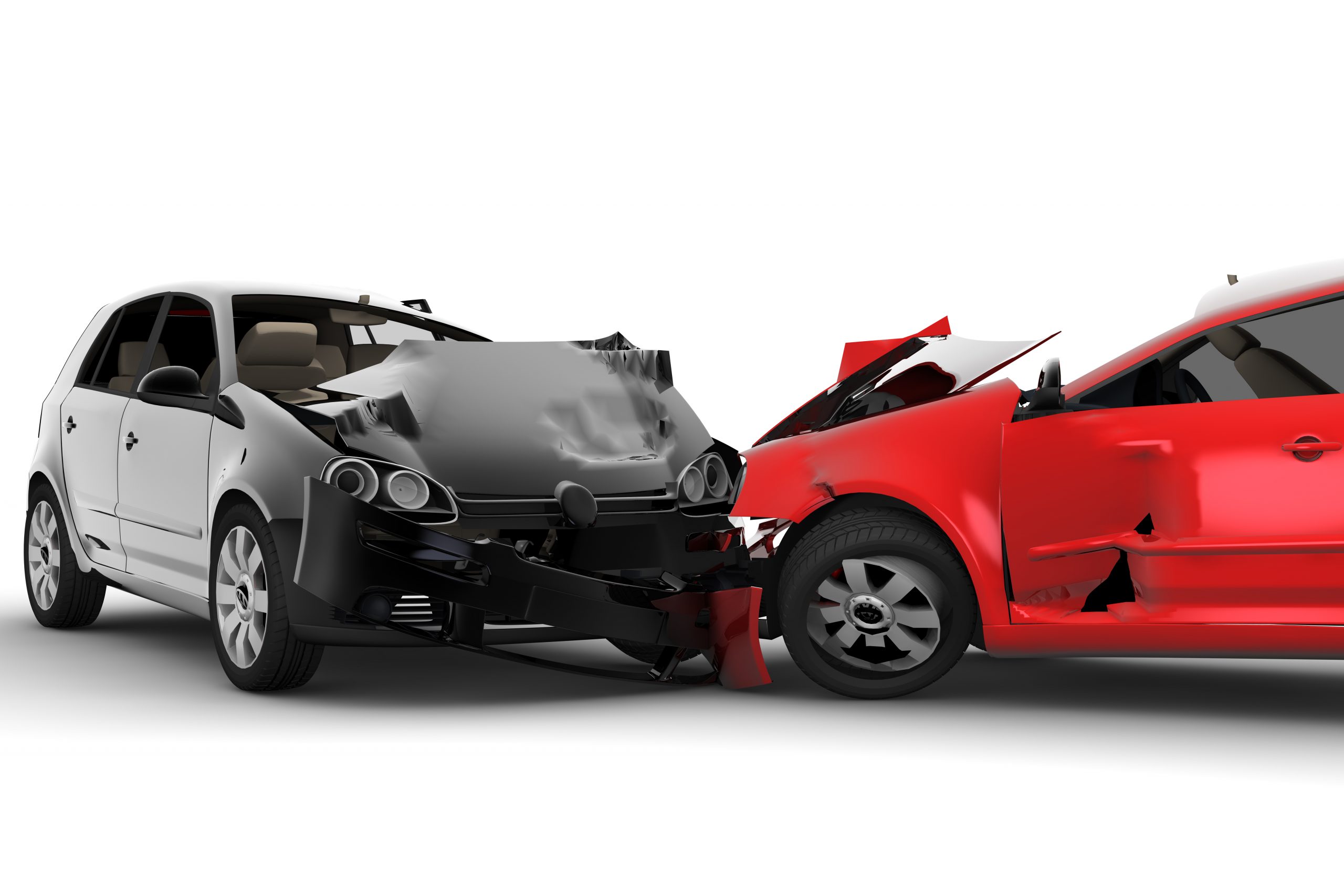
Intersection Car Accidents Texas | Right-of-Way Claims

By |2026-10-08T15:07:34+00:00August 16th, 2025|auto accident law, car accident, personal injury law|

Published by Carabin Shaw – San Antonio Personal Injury Lawyers


Intersection Accidents and Right-of-Way Violations

Intersection accidents represent some of the most dangerous and legally complex car accident scenarios because they often involve disputed right-of-way determinations, conflicting traffic signals, and multiple vehicles traveling in different directions. More about Our San Antonio Car Accident Attorneys here

Understanding intersection liability rules helps accident victims establish fault and pursue compensation when other drivers violate traffic laws or fail to yield appropriately. South Texas intersections present unique challenges, including high-speed arterial roads, complex traffic patterns, and frequent construction that can create confusion about right-of-way rules and traffic control device status. More about Our San Antonio Car Accident Lawyers here

Right-of-Way Legal Principles

Right-of-way laws establish priorities for vehicle movement at intersections based on traffic signals, stop signs, and general traffic rules that govern when drivers must yield to other traffic.

However, having the right-of-way doesn’t eliminate all responsibility for accident avoidance, as drivers must still exercise reasonable care to avoid collisions when possible.

The right-of-way creates presumptions about fault, but these presumptions can be overcome by evidence showing that right-of-way holders failed to exercise appropriate caution.

Traffic Signal Violations

Running red lights represents clear traffic violations that typically establish fault for intersection accidents, but determining signal status at impact requires careful investigation.

Traffic signal timing, yellow light duration, and signal visibility issues may affect liability determinations when drivers claim they couldn’t safely stop for changing signals.

Malfunctioning traffic signals create special liability considerations requiring analysis of how drivers should respond to dark or flashing signals.

Stop Sign Violations

Failure to stop at stop signs or yield appropriately after stopping typically establishes clear liability for intersection accidents involving stop sign violations.

Rolling stops or inadequate stops that don’t allow proper observation of cross traffic represent negligent behavior that supports liability findings.

Four-way stop intersections require careful analysis of arrival order and yielding obligations when multiple vehicles approach simultaneously.

Left Turn Liability

Left-turning vehicles typically bear liability for intersection accidents because they must yield to oncoming traffic before completing turns safely.

However, oncoming vehicles that speed through intersections or run red lights may share liability for left-turn accidents despite the turning vehicle’s duty to yield.

Protected left turn signals create different liability scenarios than unprotected left turns, where drivers must judge oncoming traffic gaps.

Uncontrolled Intersection Rules

Intersections without traffic signals or stop signs require drivers to yield to traffic approaching from the right, creating specific liability rules for these scenarios.

Determining which vehicle entered the intersection first becomes crucial for establishing right-of-way in uncontrolled intersection accidents.

Pedestrian and Bicycle Considerations

Intersections involve complex interactions between vehicles, pedestrians, and bicycles that create additional liability considerations beyond vehicle-to-vehicle collisions.

Crosswalk violations, pedestrian signal compliance, and bicycle right-of-way rules affect liability when intersection accidents involve non-motorized traffic participants.

Visibility and Obstruction Issues

Physical obstructions, including parked vehicles, construction barriers, or vegetation, may limit intersection visibility and affect driver duties and liability.

Drivers approaching intersections with limited visibility have enhanced duties to reduce speed and exercise additional caution before entering intersection areas.

Speed and Intersection Safety

Excessive speed approaching intersections reduces drivers’ ability to stop for changing signals or yield to cross traffic, establishing negligence that increases liability.

Speed limits may be reduced near complex intersections, and failure to observe these reduced limits can establish negligence in intersection accidents.

Commercial Vehicle Considerations

Large trucks and commercial vehicles require greater stopping distances and turning radii that affect their intersection behavior and liability for accidents.

Commercial drivers may face enhanced liability standards due to professional training requirements and commercial vehicle operating restrictions.

Traffic Engineering Analysis

Poor intersection design, inadequate signal timing, or confusing lane markings may contribute to accidents and create liability for government entities responsible for traffic control.

Expert traffic engineering testimony may be necessary to evaluate whether intersection design defects contributed to accident causation.

Evidence Preservation

Intersection accidents require prompt documentation of traffic signal status, vehicle positions, and physical evidence before conditions change or evidence is lost.

Surveillance cameras at intersection corners or nearby businesses often capture intersection accidents and provide crucial evidence for liability determinations.

Witness Testimony Importance

Independent witnesses at busy intersections often provide the most reliable evidence about traffic signal status and vehicle behavior before accidents.

Multiple witnesses may have different perspectives on intersection events, requiring careful evaluation of witness credibility and observation positions.

Police Report Analysis

Police reports for intersection accidents typically include officer opinions about traffic signal compliance and right-of-way violations based on physical evidence and witness statements.

However, officers may not always have complete information about signal timing or may arrive after signal cycles have changed, affecting report accuracy.

Comparative Negligence Applications

Intersection accidents often involve comparative negligence analysis, where multiple drivers may share fault for failing to exercise appropriate caution.

Even drivers with right-of-way may bear partial fault if they failed to take reasonable steps to avoid accidents when other drivers’ violations were apparent.

Insurance Investigation Challenges

Insurance companies may conduct extensive investigations of intersection accidents, including signal timing analysis and traffic pattern studies, to determine liability.

Conflicting driver statements about signal status create investigation challenges that require objective evidence to resolve liability disputes.

Intersection Camera Evidence

Red light cameras and intersection monitoring systems provide objective evidence about signal compliance and vehicle movements during accidents.

However, camera angles and timing may not capture all relevant information, requiring supplemental investigation and evidence gathering.

Multi-Vehicle Accidents

Complex intersection accidents involving multiple vehicles require careful analysis of each driver’s actions and responsibilities before and during the collision sequence.

Chain reaction accidents at intersections may involve different liability allocations among multiple drivers based on their individual negligent acts.

Medical Emergency Considerations

Drivers experiencing medical emergencies that cause intersection accidents may face different liability standards depending on whether the emergencies were foreseeable.

Construction Zone Intersections

Temporary traffic control at intersections during construction creates confusion that may affect liability when accidents result from inadequate traffic control or driver confusion.

Time of Day Factors

Rush hour traffic patterns, school zones, and nighttime visibility conditions may affect intersection accident liability based on enhanced driver duties during high-risk periods.

Settlement and Trial Strategy

Strong intersection liability cases often provide leverage in settlement negotiations because traffic violations create clear evidence of negligence that juries can easily understand.

Intersection accidents require careful analysis of right-of-way rules, traffic control compliance, and driver behavior to establish liability and pursue fair compensation for South Texas accident victims.

Texas Comparative Negligence Laws Explained | Car Accident Attorneys

By |2026-06-26T08:42:30+00:00August 15th, 2025|auto accident law, car accident, personal injury law|

Understanding Texas Comparative Negligence Laws


Texas car accident victims often face confusion about how fault is determined and how it affects their potential compensation. Understanding Texas comparative negligence laws is crucial for anyone involved in a motor vehicle collision, as these rules directly impact the amount of money you can recover for your injuries and damages. More information about our “Car Accident Lawyers in Corpus Christi” here

What is Comparative Negligence?

Texas follows a “modified comparative negligence” system, also known as the “51% rule.” This legal doctrine allows injured parties to recover compensation even when they bear partial responsibility for an accident. However, there’s a critical threshold that determines whether you can collect damages at all. More information about our “Car Accident Lawyers” here
Under Texas Civil Practice and Remedies Code Section 33.001, you can recover damages only if your percentage of fault is 50% or less. If you’re found to be 51% or more responsible for the accident, you’re completely barred from receiving any compensation from other parties involved.

How Fault Percentages Work

When multiple parties share responsibility for an accident, courts assign fault percentages to each party based on their contribution to the crash. For example, if you were speeding but another driver ran a red light and hit you, a jury might determine you were 30% at fault while the other driver was 70% at fault.

If your total damages amount to $100,000 and you’re found 30% at fault, your final award would be reduced by your percentage of responsibility. In this case, you’d receive $70,000 ($100,000 minus 30%).

Common Scenarios Where Comparative Negligence Applies

Several situations commonly trigger comparative negligence analysis in Texas car accidents. A driver who fails to signal while turning might share fault with another driver who was following too closely. A pedestrian who suddenly enters the roadway could bear partial responsibility even when struck by a speeding vehicle.

Distracted driving cases often involve shared fault when both drivers were using their phones or engaging in other activities that diverted their attention from the road. Even failing to wear a seatbelt can sometimes contribute to fault percentages, particularly regarding the severity of injuries sustained.

Insurance Company Tactics

Insurance companies understand comparative negligence laws and use them strategically to minimize payouts. Adjusters frequently attempt to assign higher fault percentages to claimants, even when evidence doesn’t support such conclusions. They may argue that you were partially responsible for an accident to reduce their financial exposure.

Common tactics include claiming you were speeding, distracted, or failed to take evasive action to avoid the collision. Insurance companies often conduct detailed investigations aimed at finding any behavior that could be construed as negligent on your part.

Evidence That Affects Fault Determination

Multiple types of evidence influence how fault is assigned in Texas car accident cases. Police reports provide initial assessments of crash circumstances, though they’re not always conclusive regarding fault percentages. Traffic camera footage, witness statements, and accident reconstruction analysis can provide objective data about how crashes occurred.

Cell phone records may reveal whether drivers were distracted at the time of impact. Vehicle damage patterns often tell stories about impact angles, speeds, and driver actions immediately before collisions. Skid marks, road conditions, and weather factors all contribute to fault analysis.

The Importance of Legal Representation

Navigating comparative negligence laws requires understanding complex legal principles and extensive experience with similar cases. Insurance companies employ teams of investigators and attorneys whose primary goal is minimizing their liability exposure by maximizing your apparent fault percentage.

Experienced car accident attorneys understand how to investigate crashes thoroughly, gather compelling evidence, and present cases that minimize their clients’ fault percentages. They work with accident reconstruction experts, medical professionals, and other specialists who can provide expert testimony supporting favorable fault determinations.

Protecting Your Rights

Several steps can help protect your rights under Texas comparative negligence laws. Never admit fault at accident scenes, even if you believe you may have contributed to the crash. Avoid giving detailed statements to insurance companies without legal representation present.

Document accident scenes thoroughly with photographs and witness contact information. Seek immediate medical attention for any injuries, as delayed treatment can be used to argue that injuries weren’t serious or weren’t caused by the accident.

Strategic Considerations

Understanding comparative negligence helps you make informed decisions about settlement offers versus pursuing litigation. Insurance companies often make low initial offers based on inflated fault percentages, hoping claimants will accept inadequate compensation rather than fight for fair settlements.

Your attorney can evaluate whether proposed fault percentages are reasonable based on evidence and comparable cases. Sometimes accepting a settlement with a moderate fault percentage is preferable to risking a higher fault finding at trial, while other cases benefit from aggressive litigation challenging fault assignments.

Texas comparative negligence laws provide opportunities for compensation even when you bear partial responsibility for an accident. However, protecting your rights and maximizing your recovery requires understanding these complex legal principles and working with experienced attorneys who can navigate the system effectively on your behalf.

Best Car Accident Lawyers in Midland/Odessa TX

By |2026-08-23T16:46:29+00:00July 9th, 2025|auto accident law, car accident|

Best Car Accident Lawyers in Midland & Odessa TX – How to Choose

Choosing the right car accident lawyer in Midland or Odessa, Texas, can make the difference between receiving fair compensation and settling for far less than you deserve. With numerous attorneys practicing in the Permian Basin, finding the best legal representation for your specific case requires careful consideration of several key factors. At Carabin Shaw, we believe informed clients make better decisions, so we’ve compiled this comprehensive guide to help you navigate the selection process. More about Our Car Accident Lawyer here

Understanding Your Legal Needs

Before beginning your search for a car accident attorney, it’s important to understand the complexity of your case. Minor fender-benders with clear liability may require less specialized expertise than cases involving serious injuries, disputed fault, or commercial vehicles. However, even seemingly straightforward cases can become complicated when insurance companies attempt to minimize payouts or deny claims entirely.
This Blog was brought to you by Carabin Shaw principal office in San Antonio

The best car accident lawyers in Midland and Odessa will have specific experience handling cases similar to yours. They should be familiar with Texas traffic laws, local court procedures, and the tactics commonly used by insurance companies operating in the area. This local expertise can be invaluable when building your case and negotiating with adjusters who are familiar with the local legal landscape.

Key Qualifications to Look For

Experience and Track Record

When evaluating potential attorneys, prioritize those with substantial experience specifically in car accident cases. General practice attorneys may handle personal injury cases occasionally, but specialists who focus primarily on car accidents will have deeper knowledge of relevant laws, medical issues, and successful litigation strategies.

Ask potential attorneys about their recent case results, including settlements and verdicts in cases similar to yours. While past results don’t guarantee future outcomes, they provide insight into an attorney’s ability to secure favorable results for their clients. The best car accident lawyers in Midland and Odessa will be transparent about their track record and willing to discuss their approach to cases like yours.

Resources and Support Staff

Complex car accident cases often require significant resources including accident reconstruction experts, medical professionals, and investigative support. Top-tier law firms maintain relationships with these specialists and have the financial resources to invest in building strong cases. During your consultation, ask about the firm’s resources and how they plan to support your case.

Additionally, consider the attorney’s support staff. Experienced paralegals and case managers can significantly impact your case’s efficiency and your overall experience. At Carabin Shaw, our entire team is trained to handle car accident cases, ensuring consistent, knowledgeable support throughout your legal journey.

Evaluating Communication and Compatibility

Initial Consultation Quality

The initial consultation provides valuable insight into how an attorney will handle your case. The best car accident lawyers in Midland and Odessa will listen carefully to your story, ask detailed questions about the accident and your injuries, and provide honest assessments of your case’s strengths and challenges.

Pay attention to how the attorney explains legal concepts and procedures. They should be able to communicate complex legal matters in terms you can understand without talking down to you. Clear communication is essential for maintaining trust and ensuring you can make informed decisions about your case.

Accessibility and Responsiveness

Your attorney should be accessible when you have questions or concerns. While they may not be available immediately every time you call, they should have systems in place to ensure timely responses to your inquiries. Ask about their typical response times and preferred communication methods during your initial meeting.

Fee Structure and Financial Considerations

Contingency Fee Arrangements

Most reputable car accident attorneys work on a contingency fee basis, meaning you don’t pay attorney fees unless they secure compensation for you. However, the percentage charged can vary, and you should understand exactly what costs are covered under the contingency arrangement versus what expenses you might be responsible for regardless of the outcome.

Be wary of attorneys who require significant upfront payments or those whose fee structures seem unclear or overly complicated. The best car accident lawyers in Midland and Odessa will be transparent about their fees and willing to explain all financial aspects of your representation in detail.

Investment in Your Case

Consider whether the attorney is willing to invest their own resources in building your case. This might include hiring experts, conducting thorough investigations, or advancing costs for medical records and depositions. An attorney’s willingness to invest in your case often reflects their confidence in achieving a successful outcome.

Local Reputation and Professional Standing

Bar Association Standing

Verify that any attorney you’re considering is in good standing with the State Bar of Texas. You can check for any disciplinary actions or complaints through the state bar’s website. Additionally, membership in professional organizations like the Texas Trial Lawyers Association can indicate a commitment to staying current with legal developments and best practices.

Community Reputation

The best car accident lawyers in Midland and Odessa typically have strong reputations within their communities. This includes relationships with local medical providers, recognition from legal peers, and positive feedback from former clients. Online reviews can provide insight, but also consider asking for references from past clients who had similar cases.

Making Your Final Decision

After evaluating potential attorneys based on these criteria, trust your instincts about who you feel most comfortable working with. Car accident cases can take months or years to resolve, so choosing an attorney you can communicate with effectively and trust to represent your interests is crucial.

Remember that the most expensive attorney isn’t necessarily the best choice for your case, nor is the cheapest option likely to provide the quality representation you need. Focus on finding an attorney who combines experience, resources, and genuine commitment to achieving the best possible outcome for your specific situation.

At Carabin Shaw, we understand that choosing the right attorney is a significant decision. We encourage potential clients to ask tough questions, evaluate their options carefully, and select the legal representation that best serves their needs and goals.

Contact Carabin Shaw today to schedule a free consultation. We’ll review the details of your car accident, answer your questions honestly, and explain exactly how we can help you pursue the compensation you deserve. Call (210) 222-2288 — there’s no upfront cost, and you pay no attorney fees unless we win your case.

Go to Top